



Tech News
UK's biggest AI supercomputer may have to wait until 2030s for enough power
The UK start-up says the data centre could eventually expand from 50 to 90 megawatts of power — enough, if used continuously, to consume as much electricity in a year as about 315,000 typical UK homes, based on 2026 figures from UK energy regulator Ofgem.


Smart Regions
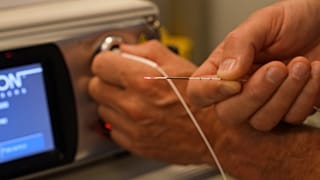
Līvāni: the fibre-optic capital of Latvia
In partnership with the European Commission
Latvia is focusing on a technological niche: fibre optics. It exports more than 90% of its production. This versatile technology, made from synthetic quartz, is flexible and capable of transmitting ultraviolet and infrared rays.
 ADVERTISEMENT

Money
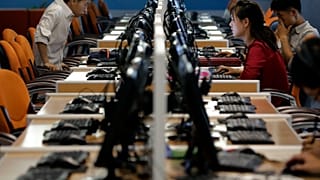
North Korean hackers suspected in €332.8m crypto heist as it leads global hacks
North Korea, one of the world’s most closed-off countries, has been linked to some of this year’s largest cryptocurrency thefts. Proceeds from such attacks help fund its nuclear weapons and ballistic missile programmes, according to the US government.


Made in Europe
From Croatia without waste: “truly circular” process offers hazardous chemicals a second life
A clean-tech company in Croatia claims to recycle around three million kilograms of polluted solvents annually – without any waste. An “efficient, safe and economically valuable” recycling process of hazardous chemicals… made in Europe.

Tech News
Germany's startup boom: What is working and what is holding them back
The German startup ecosystem is gaining momentum, with 3053 startups founded in 2026, the highest number since 2019. With the right policies — both at the national and the EU level — the upturn could be amplified many times over.



Qatar in Motion
Discover how Qatar is building a future-ready smart city
In partnership with Media City
In this episode of Qatar in Motion, we explore how Qatar is building the city of the future, where artificial intelligence, autonomous mobility, smart infrastructure, and sustainability converge to transform everyday life.





Tech News
Can AI feel pain? Models learned it from human text, study finds
In 44,280 trials involving three versions of Alibaba’s Qwen model, researchers offered them a button that could stop the pain-like signal but instead give a user a painful electric shock, delete their files or photographs, or make the model’s next answer worse.